

A small drip under the sink or a slow-draining tub rarely feels like an emergency, so it is easy to put off a professional inspection year after year. But plumbing problems compound quietly behind walls and under floors, turning a fifty-dollar fix into a five-thousand-dollar disaster. Skipping your home’s annual plumbing checkup does not save money; it just delays the bill and adds interest in the form of water damage, mold, and structural repairs. This article breaks down exactly what you risk by skipping that yearly visit, and what a small investment in prevention can save you down the road.
Hidden Leaks That Quietly Inflate Your Water Bill
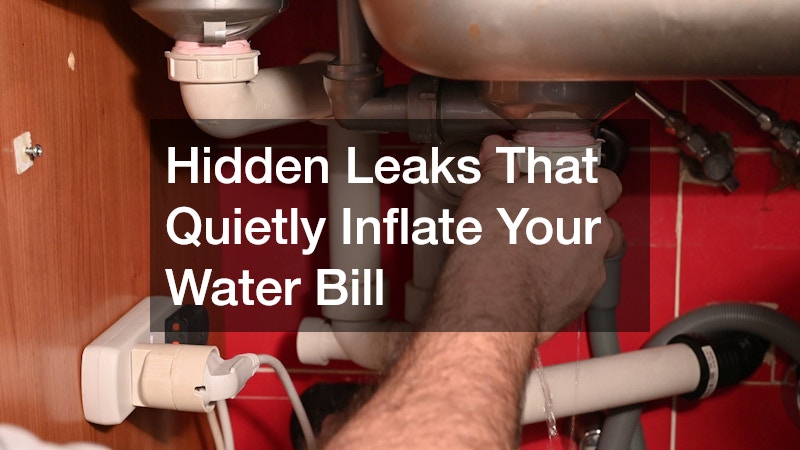
A pinhole leak inside a wall or under a slab can run for months before anyone notices a puddle or stain. During that time, it is steadily driving up your water bill and creating the perfect environment for mold and wood rot. An annual inspection catches these slow leaks early, before they become a five-figure repair.
Many homeowners only discover a hidden leak when their water bill doubles, or a ceiling starts sagging. At that point, the damage has usually spread well beyond the original pipe. Regular plumbing repair checkups let a professional catch pressure changes and moisture readings that signal trouble long before you see visible evidence.
- Unexplained increases in your monthly water bill
- Warm spots on the flooring, which can indicate a hot water line leak
- The sound of running water when no fixtures are in use
- Mold or mildew smell in rooms without obvious moisture sources
Aging Water Heaters and the Risk of Sudden Failure
Most tank-style water heaters last between eight and twelve years, but sediment buildup and corrosion can shorten that lifespan significantly if the unit is never serviced. An annual checkup includes flushing the tank, checking the anode rod, and testing the pressure relief valve, all of which extend the unit’s life. Skipping these steps often means the heater fails without warning, usually during a shower, and rarely at a convenient time.
When a water heater does fail, water heater repairs are sometimes possible, but a neglected unit is more likely to need full replacement. That is a far bigger expense than the routine maintenance that could have prevented it. A yearly inspection gives you time to budget for a new unit before you are forced into an emergency purchase.
Slow Drains and the Warning Signs of Deeper Blockages

A slow bathroom sink or gurgling tub drain is often dismissed as a minor annoyance, but it can point to a much larger blockage forming in your main line. Grease, hair, and mineral buildup accumulate gradually, and by the time a drain stops completely, the clog may already be affecting multiple fixtures. An annual inspection includes a camera check or basic flow test that catches these blockages while they are still easy to clear.
- Multiple slow drains are happening at the same time
- Gurgling sounds coming from other fixtures when you flush the toilet
- Water backs up into a different drain, like a shower, when you run the washing machine
- Recurring clogs despite regular use of drain cleaner
Garbage Disposal Wear and Kitchen Plumbing Stress
Garbage disposals take a beating every single day, and most homeowners never think about them until they jam or start leaking. Worn seals, dull blades, and loose connections all reveal themselves during a routine plumbing inspection, often before they cause a mess under the sink. Catching these issues early usually means a simple garbage disposal repair rather than a full unit replacement paired with cabinet and flooring damage from a leak that went unnoticed.
Kitchen plumbing in general takes on more stress than most people realize, from grease going down the drain to constant temperature changes from the hot dishwasher. An annual visit gives a technician the chance to check disposal mounting, drain connections, and the garbage disposal’s electrical connection for early signs of wear. This kind of proactive attention keeps your kitchen running smoothly and helps you avoid a disposal failure right before a holiday dinner.
Sump Pump Readiness Before Storm Season
If your home relies on a sump pump to keep the basement dry, that pump is only useful if it actually works when heavy rain hits. Float switches stick, check valves fail, and discharge lines clog with debris, all of which can go unnoticed until the pump is needed most. An annual test run and inspection ensures your sump pump activates properly and moves water where it should.
Basement flooding is one of the more expensive and disruptive problems a homeowner can face, and it is largely preventable with routine attention. Sump pump repair is typically inexpensive when caught during a scheduled visit, especially compared to the cost of replacing flooring, drywall, and stored belongings after a flood. Anyone in a region with heavy spring rains or snowmelt should treat this as a non-negotiable part of their yearly home maintenance.
Water Line Corrosion and Its Effect on Your Foundation
Underground water lines corrode and shift over time, particularly in homes with older galvanized or clay piping. A slow leak in one of these lines can saturate the soil beneath your home, leading to settling and cracks in your foundation. What starts as a simple plumbing issue can escalate into foundation repair costing tens of thousands of dollars if the underlying leak goes undetected for years.
An annual inspection typically includes a pressure test on your main water line, which can reveal problems long before they show up as cracks in your walls or uneven flooring. If a technician does identify an aging or damaged line, water line repairs completed proactively are far less invasive and costly than emergency excavation after a full pipe failure. Protecting your foundation starts with protecting the pipes running beneath it.
The Value of an Established Relationship With a Trusted Technician

One underrated benefit of a yearly checkup is building a relationship with a local plumber who already knows your home’s history. When that professional has records of past repairs, pipe materials, and water pressure trends, diagnosing a new issue takes far less time and guesswork. This familiarity often leads to faster, more accurate service compared to calling someone new for every problem.
Consider a home with aging galvanized pipes: a technician who’s inspected them annually will recognize early signs of corrosion and know exactly which fittings tend to fail first. That kind of institutional knowledge can shave hours off a diagnosis, since there’s no need to start from scratch, tracing the layout of your plumbing system. Some plumbers even keep digital files noting past leak locations, water heater age, and previous fixes, so nothing gets overlooked.
There’s also a practical financial upside. Many local plumbers offer loyalty discounts, priority scheduling, or waived diagnostic fees to repeat customers, which can offset the cost of the annual visit itself. During an emergency, being a known client often means getting bumped up the call list instead of waiting days for an appointment.
Finally, trust matters when it comes to letting someone into your home. A technician you’ve worked with for years is far more likely to give you an honest recommendation, whether that means a simple repair or an upfront conversation about when replacement makes more financial sense.
Homeowners who rely on a single residential plumber for annual visits also tend to get more honest recommendations, since the relationship is built on long-term trust rather than a one-time transaction. A technician who isn’t chasing a quick sale is more likely to tell you a repair can wait another year, or that a $200 fix now will prevent a $2,000 problem later.
That same technician can spot subtle changes year over year, like a slowly aging water heater, a shifting foundation affecting pipe alignment, or mineral buildup narrowing a supply line. Because they’ve seen your system before, they know its baseline: the normal water pressure, the usual sound of your pipes, the age and condition of fixtures most homeowners never think to track. That context makes it far easier to catch an anomaly, like a two-PSI pressure drop or a faint rust tint in the water, before it becomes a costly emergency.
There’s also a practical record-keeping benefit. A trusted plumber typically keeps notes or photos from past visits, creating a rough maintenance history of your home, even if you never built one yourself. That history can speed up diagnosis, inform smarter repair-versus-replace decisions, and even support insurance claims if a pipe eventually fails.
It is a simple way to turn a routine task into a long-term asset.
How Routine Maintenance Reduces Emergency Situations
Emergency plumbing calls are almost always more expensive than scheduled ones, partly because of after-hours rates and partly because the damage has already had time to spread. Calling an emergency plumber at midnight can easily cost two to three times what a standard weekday visit would run, and that’s before factoring in water damage, drywall repair, or ruined flooring. An emergency plumber can absolutely save the day when a pipe bursts, but that call is far more likely if small warning signs were ignored all year.
Slow drains, faint hissing near a water line, a water heater that takes longer to reach temperature, or a slight uptick in your water bill are all early red flags. On their own, none of these seems urgent enough to justify calling someone right away. Left unchecked over months, though, they tend to compound into corroded pipes, failing valves, or a water heater that gives out entirely.
Scheduling routine plumbing services on an annual basis is designed to catch those warning signs while they are still minor and manageable. A technician can pressure-test your lines, inspect fittings for early corrosion, check your water heater’s anode rod, and flag any fixtures nearing the end of their lifespan. Addressing those issues during a planned visit typically costs a fraction of what an emergency repair would, and it spares you the stress of dealing with a flooded basement on a Sunday night.
Think of a yearly plumbing visit as insurance against the 2 a.m. phone call nobody wants to make. Technicians can identify weak points in your system, aging fixtures, and pressure irregularities before they turn into genuine emergencies. A slow drip under the sink or a slightly corroded valve might seem trivial today, but left unchecked for months, it can escalate into a burst pipe or a flooded basement.
During a typical inspection, plumbers check water heater sediment buildup, test shutoff valves to make sure they still function, examine exposed pipes for corrosion, and measure water pressure throughout the house. Pressure that’s too high, for example, quietly stresses every joint and connection in your plumbing system, often for years before a failure actually occurs. Catching that one issue during a routine visit can prevent a cascade of related problems down the line.
The goal is not to eliminate every possible plumbing issue, but to dramatically reduce the odds that you are ever caught off guard. Emergency repairs also tend to cost significantly more than scheduled maintenance, since after-hours service calls, rushed part replacements, and water damage cleanup all add to the bill. A modest annual investment in a checkup is almost always cheaper than the alternative. Regular inspections can also help identify potential problems before they escalate, allowing you to address them proactively. By staying on top of your plumbing system’s health, you can maintain peace of mind and avoid the stress that comes with unexpected failures. Additionally, a well-maintained plumbing system can improve the overall efficiency of your home, potentially lowering utility bills and enhancing the lifespan of your fixtures and appliances.
Protect Your Home: Schedule Your Annual Plumbing Inspection Today!
Skipping your home’s annual plumbing checkup might feel like a harmless way to save a little time and money, but the hidden costs almost always outweigh the convenience. From foundation damage to failed water heaters, the small problems you cannot see today are often the expensive repairs you cannot avoid tomorrow. Scheduling a routine inspection is one of the simplest, most effective ways to protect your home’s value and your own peace of mind. Make it an annual habit, and let a qualified professional catch the small issues before they become the big ones.