
Managing a home requires balancing comfort against rising utility expenses. For most households, maintaining a comfortable indoor climate is more than half of the total monthly energy bill. When temperatures hit extremes in winter or summer, these expenses can spiral out of control. High bills might seem unavoidable, but many homes suffer from minor inefficiencies like micro-drafts, degrading system components, and neglected structural items, which quietly drain cash.
Fortunately, you don’t need to replace your entire heating and cooling system to reduce your bills significantly. By treating your home as an interconnected ecosystem, you can implement targeted fixes, routine maintenance, and strategic upgrades to keep conditioned air where it belongs. Taking control of your indoor climate involves mastering thermal retention, reducing stress on your equipment, and managing moisture loads. This comprehensive guide outlines steps to optimize your space, extend appliance life, and save money.
Fast Fixes: Immediate Low-Cost Tweaks for Instant Relief
Optimizing your indoor climate doesn’t require a large investment. Significant sources of thermal loss can often be resolved quickly with basic tools. The physical envelope of your house faces pressure as warm air moves toward colder spaces. In summer, outdoor heat enters through gaps around doors and windows, and the opposite occurs in winter. Identify these breaches for energy savings. A flashlight test at night can help spot drafts. Shine a light around window frames and exterior doors; if light leaks, air is escaping.
Once problem areas are identified, use high-density foam weatherstripping and silicone caulk to seal them. Glass panes are also points of thermal transfer. Sunlight streaming through windows can create a greenhouse effect, increasing cooling demands. Custom window treatments efficiently block heat gain. Cellular shades have honeycomb pockets that trap air, adding insulation. If drafts persist, consult an insulation contractor for solutions like expanding foam or dense-pack fiberglass to seal the home’s thermal boundary.
Internal air distribution impacts comfort and costs. Homeowners often unknowingly block paths meant for conditioned air. Check every room for furniture, heavy drapes, and rugs that may obstruct airflow.
- Maintain Clearance: Ensure there is a minimum clearance of eighteen inches around all supply registers and return air grilles. Placing a couch, bed, or bookcase directly over or in front of a vent forces the system to work harder to distribute air, spiking your energy consumption.
- Keep Vents Open: Resist the temptation to completely close off vents in unused rooms. While it seems intuitive that redirecting air saves money, modern climate systems are engineered around specific air pressure balances. Closing too many registers alters this pressure, which can cause the system to short-cycle, leak air through duct seams, or even freeze the cooling coils.
- Utilize Ceiling Fans Wisely: Adjust the direction of your ceiling fans based on the season. In the summer, fans should rotate counterclockwise at high speed to create a wind-chill effect on your skin. In the winter, run them clockwise at the lowest speed to gently push warm air down from the ceiling without creating a draft.
Essential Maintenance: Keeping Core Climate Systems Efficient
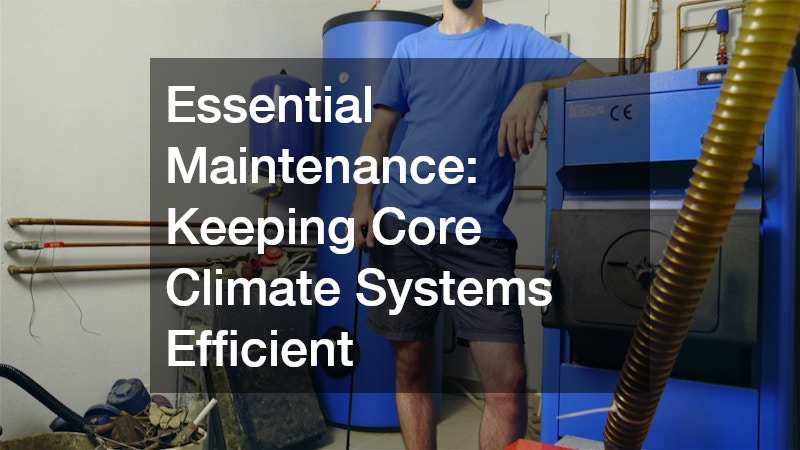
While quick DIY fixes provide immediate relief, the mechanical heart of your home requires disciplined, ongoing maintenance to run at peak thermodynamic efficiency. Neglecting your primary heating and cooling equipment leads to a slow, costly decline in performance. Over time, dust collects on delicate components, moving parts lose their lubrication, and critical calibrations drift out of alignment. This forces your machinery to run longer cycles to achieve the temperature set on your thermostat, directly accelerating wear and tear while driving up your electric and gas bills.
Before the intense summer heat sets in, it is vital to prepare your cooling equipment for the heavy workload ahead. Dust and yard debris like grass clippings, leaves, and cottonwood seeds easily clog the delicate metal fins of your outdoor condenser unit. When these fins are choked, the system cannot effectively release the heat it has pulled from inside your home. You can clean this safely by shutting off the main power breaker and gently spraying the unit with a garden hose from the inside out. For internal mechanical health, such as checking electrical relays, testing compressor capacitors, or handling complex refrigerant level adjustments, scheduling a professional HVAC service is the best way to catch minor issues before they turn into complete system failures during a heatwave. If your system is old or has been neglected for years, ignoring strange noises or poor airflow will inevitably result in expensive emergency air conditioning repairs that could have been easily avoided with basic preventative care.
Another massive but often overlooked factor in climate control is how your home manages moisture and latent heat. High humidity makes indoor air feel significantly warmer and stuffier than it actually is, which frequently prompts frustrated homeowners to lower their thermostats to uncomfortable, expensive levels. Your cooling system is naturally designed to pull moisture out of the air as it cools, but it cannot do its job effectively if it is fighting internal humidity factories.
- Inspect Condensate Drains: Regularly check the plastic drain line attached to your indoor evaporator coil. Algae and mold love to grow in these warm, dark pipes, creating thick blocks. If the line clogs, water can back up, damaging your drywall, ruining floors, and sending indoor humidity levels through the roof. Clean it out annually by pouring a cup of distilled white vinegar down the access t-branch.
- Manage Kitchen and Bath Moisture: Always run your bathroom exhaust fans during showers and for at least twenty minutes afterward. Use your kitchen range hood whenever cooking on the stovetop. Ensure these fans are actually venting all that hot, humid air completely outside your home, rather than just dumping it directly into your attic space where it can rot your roof decking.
- Monitor Filter Conditions: Replace your system’s air filters every thirty to ninety days. A filter clogged with dust, pet dander, and hair starves the system of required airflow. This drop in pressure causes the temperature of the internal coils to plummet, which can lead to ice formation that completely blocks air movement and threatens to destroy your compressor.
Plumbing and Water Infrastructure: The Overlooked Climate Controls

When seeking ways to reduce energy bills, many overlook their plumbing systems. Water infrastructure impacts your home’s environment and energy use. Water heaters are often the second-largest energy consumer in a household, after primary heating and cooling. Additionally, poorly maintained pipes can affect indoor humidity and temperatures.
The essential task for maintaining your water heater is preventing mineral scale buildup. As hard water heats, minerals like calcium and magnesium settle at the tank’s bottom. In gas heaters, this stone layer insulates the water from the burner, increasing fuel use. In electric models, scale can damage heating elements. Annual flushing via the drain valve clears this, optimizing heat transfer. Prompt water heater repair and replacement prevent flooding and energy losses in older models. Addressing these issues early with a reliable local plumbing service ensures efficient system operation without unnecessary thermal or financial burdens.
Beyond water heating loss, the condition of your pipes affects your indoor climate. Unnoticed leaks can introduce moisture, elevating indoor humidity and increasing your air conditioner’s energy use to manage extra moisture.
- Execute Regular Leak Audits: Perform a simple baseline check by locating your main water meter when no appliances, showers, or toilets are running. Write down the numbers or watch the small low-flow indicator dial. If the dial moves or the numbers change after an hour of absolute zero water usage, you have an active leak that requires professional leak detection to pinpoint before it rots your framing and creates a mold hazard.
- Maintain Clear Drainage Pathing: Sluggish, partially blocked drains hold dirty wastewater inside the home’s perimeter for long periods, releasing heat and humidity directly into the air. Regularly practicing proactive drain cleaning prevents the buildup of organic sludge, hair, and grease that slows down wastewater removal and stresses your home’s environmental balance.
- Insulate Exposed Piping: Wrap your exposed hot and cold water pipes in foam sleeves, especially where they travel through unconditioned basements or crawlspaces. Insulating hot pipes reduces standby heat loss, meaning you do not have to waste water waiting for it to run hot at the tap. Insulating cold pipes prevents ambient humid air from condensing on the cold metal, stopping moisture from dripping onto your joists.
Strategic Upgrades: High-ROI Investments for Long-Term Savings
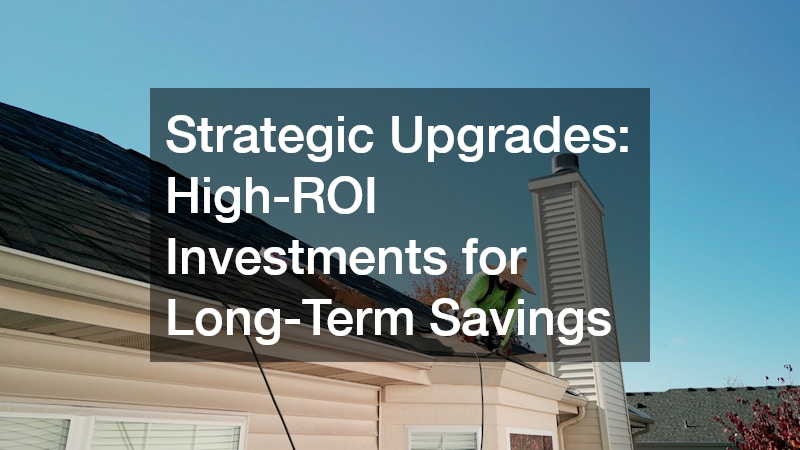
Once you have mastered the art of low-cost fixes and routine maintenance, you can begin looking at long-term upgrades that offer the highest return on your investment. While these projects require a larger upfront financial commitment, they permanently alter the performance dynamics of your property, yielding massive dividends for decades. The ultimate goal of a strategic climate upgrade is to create a powerful structural shield that keeps your indoor environment completely independent of whatever harsh weather is happening outside.
The most effective place to start upgrading your property is at the very top. Houses suffer from an environmental phenomenon known as the stack effect. In the winter, warm air naturally rises to the top of your home and escapes through the roof via tiny gaps and insufficient insulation, pulling cold air inward through your lower levels like a vacuum. In the summer, the sun beats down on your roof tiles, heating your attic space into a brutal oven that radiates immense heat down into your bedrooms. Checking the depth of your attic insulation is vital; if you can see your floor joists, you do not have enough. Upgrading this barrier cuts off this thermal loop. While you are optimizing the attic, it is also the ideal time to evaluate your primary heating source; if your old unit is struggling, seeking out dependable furnace installation services will ensure your home stays warm without burning through excess fuel. Simultaneously, ensuring your roof deck is properly ventilated and free of structural rot by partnering with a qualified roofing company will prevent heat from getting trapped at the highest point of your home.
Investing in these high-level upgrades fundamentally changes how much energy your home demands on a daily basis. By shrinking the workload placed on your appliances, you can often buy smaller, less expensive heating and cooling units when the time finally comes to replace them, creating a cycle of ongoing financial savings.
- Transition to Smart Thermostats: Replace your old manual thermostat with an intelligent, learning model. These devices track your daily habits and automatically adjust temperatures when you leave for work or go to sleep. By eliminating unnecessary heating and cooling when the house is completely empty, you can easily save up to fifteen percent on your annual climate expenses.
- Seal the Duct System: Have a professional pressure-test your ductwork. The average home loses roughly twenty to thirty percent of its conditioned air through loose duct joints, cracks, and poor connections hidden inside the walls. Sealing these gaps with specialized mastic paste or aerodynamic aerosol sealants ensures that one hundred percent of the air you pay to heat or cool actually makes it to your living spaces.
- Upgrade to Low-E Window Panes: If your budget allows for window replacements, choose models featuring low-emissivity glass coatings. These microscopically thin, non-toxic metallic layers are engineered to reflect infrared heat while letting visible light pass through. They keep interior heat inside during the winter and bounce harsh solar radiation away during the summer.
Lowering the cost of your home’s indoor climate yields substantial financial and structural rewards. By breaking down your approach into manageable phases—starting with immediate sealing fixes, staying dedicated to mechanical maintenance, and saving for high-impact structural upgrades—you transform your living space into an efficient haven. These efforts do more than just lower your utility bills; they protect your property from moisture damage, improve indoor air quality, and prevent sudden appliance failures during extreme weather.
Every small adjustment builds upon the last. Sealing a window frame relieves strain on your air conditioner, while flushing your water heater allows it to run efficiently. Over a year, these drops in energy consumption result in significant savings. Take an active role by handling a few straightforward tasks this weekend. Consistency is the true secret to long-term efficiency, and today’s steps will keep your household comfortable and financially secure for years.