

Maintaining a home is an intricate, multi-layered responsibility that spans from the structural peaks of the roof to the hidden subterranean networks of plumbing and foundation. For the modern homeowner, the property is not merely a shelter but a complex machine where every gear must be greased and every seal must be watertight. To preserve the value of this significant investment, one must move beyond reactive “emergency” fixes and adopt a philosophy of proactive stewardship. This involves a deep dive into the mechanics of roofing, the precision of HVAC systems, the stability of masonry, and the critical hygiene of septic and plumbing networks. By understanding the lifecycle of these systems and the professional expertise required to maintain them, you can transform the daunting task of home repair into a structured, manageable, and even rewarding journey.
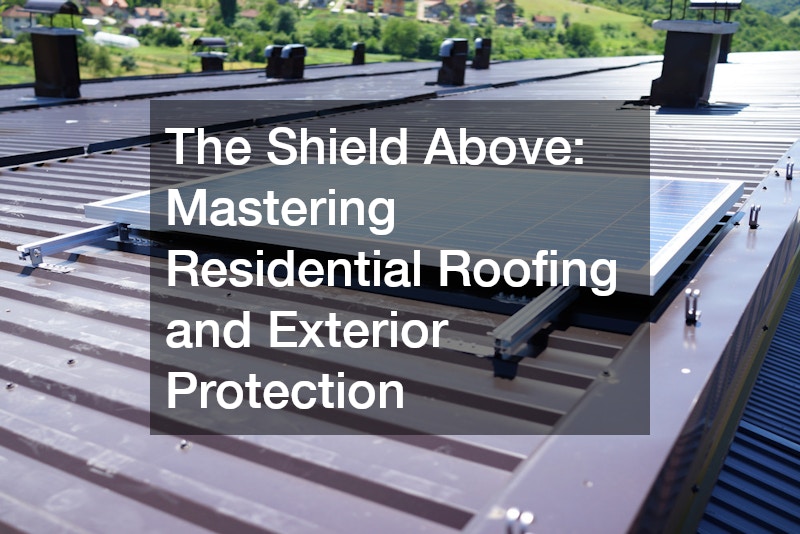
The Shield Above: Mastering Residential Roofing and Exterior Protection
The roof serves as the first and most vital line of defense against the environmental forces of nature. It is a complex assembly of shingles, underlayment, flashing, and ventilation that must work in perfect harmony to shed water and regulate the thermal envelope of the building. Because the roof is often the most expensive single component to replace, understanding its health is paramount. Most residential roofs have a lifespan of twenty to thirty years, but this can be significantly shortened by extreme weather, poor ventilation, or neglect. Homeowners should look for subtle signs of failure long before a leak manifests in the living room ceiling. Granule loss in the gutters, curling shingle edges, and rusted flashing are all indicators that the system is reaching the end of its functional life.
When these signs appear, the first step is to engage with professionals to secure roof estimates. A proper estimate is more than just a price tag; it is a diagnostic report that should detail the condition of the roof deck, the quality of the existing ventilation, and the specific materials proposed for the upgrade. It is essential to work with a reputable roofing company that understands local building codes and the specific weather patterns of your region. A contractor who installs a roof in a high-wind coastal area will use different fastening techniques than one in a heavy-snow mountain region. This localized expertise ensures that the new roof is not just a surface-level fix but a structural enhancement.
Beyond the shingles, the choice of a roofing contractor involves evaluating their approach to the “attic ecosystem.” A roof cannot survive without proper airflow; without it, heat builds up in the summer, “baking” the shingles from the bottom up, while moisture accumulates in the winter, leading to wood rot and mold. A professional contractor will calculate the necessary intake and exhaust vents to ensure a balanced system. By investing in high-quality materials and professional labor, you aren’t just buying a new roof—you are buying decades of security and thermal efficiency for your entire household.
The Subterranean Architecture: Foundation, Concrete, and Masonry
While the roof protects the top, the foundation ensures the stability of everything in between. The foundation is subject to immense pressure from the surrounding soil and the weight of the structure itself. Over time, moisture fluctuations in the ground cause soil to expand and contract, which can lead to settling or shifting. For homes built on concrete pads, this can result in cracked floors, misaligned windows, and structural instability. In these cases, the expertise of slab foundation repair companies is required. Modern repair methods have moved away from total demolition toward “leveling” techniques, such as injecting high-density polymers or cementitious grout beneath the slab to lift it back to its original position.
Maintaining the concrete around your home is also vital for safety and curb appeal. Driveways, patios, and walkways are not just aesthetic features; they redirect water away from the house and provide safe passage for residents. However, concrete is a porous material that is vulnerable to the freeze-thaw cycle. When water enters small cracks and freezes, it expands, causing the concrete to spall or “pop.” Partnering with experienced concrete companies for regular sealing or resurfacing can prevent these minor fissures from becoming major liabilities. Proper masonry care involves checking the mortar joints between bricks (tuckpointing) and ensuring that retaining walls are draining correctly to prevent hydrostatic pressure from causing a collapse.

The Lifeblood of the Home: Plumbing, Septic, and Waste Management
The plumbing system is perhaps the most taken-for-granted aspect of modern life, yet it is the most likely to cause sudden, expensive damage. A residential plumbing network is a closed loop of supply lines and an open system of waste drains. Even a pinhole leak in a supply line can dump hundreds of gallons of water into a wall cavity before it is discovered, leading to structural rot and dangerous mold growth. Routine plumbing repairs, such as replacing old shut-off valves and checking the age of supply hoses on appliances like washing machines, are the cheapest insurance policies a homeowner can buy.
For properties that are not connected to a municipal sewer system, the septic tank is the most critical piece of plumbing equipment. It is a biological engine that requires specific conditions to break down waste effectively. Neglect is the primary cause of septic failure. A professional septic pumping service should be engaged every three to five years, depending on the household size. This prevents solids from overflowing into the drain field, which would clog the soil and cause the system to back up into the house. If you notice slow drains or an unusual odor in the yard, it is imperative to call septic repair companies immediately. A small repair to a baffle or a distribution box is a fraction of the cost of replacing an entire leach field, which can cost tens of thousands of dollars.
Climate Control: HVAC Health and Indoor Air Quality
The HVAC system is the lungs of the home, regulating temperature, humidity, and air purity. In many regions, the furnace is the most hard-working piece of machinery in the house, running for thousands of hours each year. Because these systems are complex and involve combustible fuels or high-voltage electricity, furnace repair and maintenance should always be handled by certified technicians. Annual inspections ensure that heat exchangers are not cracked (which could leak carbon monoxide) and that burners are firing efficiently to keep heating bills low.
In the modern era, HVAC companies have expanded their focus beyond mere temperature control to include comprehensive indoor air quality (IAQ) solutions. As homes have become more “airtight” to save energy, they have also become traps for indoor pollutants like dust, pet dander, and volatile organic compounds (VOCs). Integrating advanced air purifiers, UV lights, and high-efficiency filters into the existing ductwork can significantly improve the health of the occupants. A well-maintained HVAC system does more than just keep you warm or cool; it ensures that the air you breathe is clean and that the humidity levels are balanced to protect your wooden furniture and flooring from warping.
The Economics of Preventive Maintenance
The financial reality of home ownership is that you will either pay for maintenance now or pay for repairs later—and “later” is always more expensive. A proactive maintenance schedule is the only way to avoid the “cascading failure” effect, where a small problem in one system causes a massive problem in another. For example, failing to clean your gutters (a free or low-cost task) can lead to water backing up under the shingles, rotting the fascia boards, and eventually saturating the foundation. By spending a few hundred dollars a year on inspections and minor tune-ups, you are essentially protecting hundreds of thousands of dollars in property value.
Homeowners should maintain a digital or physical “Home Health Log.” This record should include the dates of the last septic pumping service, the age of the roof, the last time the HVAC filters were changed, and any plumbing repairs performed. This documentation is invaluable when it comes time to sell the property, as it provides proof to potential buyers that the home has been meticulously cared for. Furthermore, a history of professional maintenance can often help in insurance claims, demonstrating that an issue was a result of sudden damage rather than long-term neglect.

Navigating the Professional Service Landscape
One of the greatest challenges for homeowners is finding reliable, honest contractors. The home repair industry is unfortunately rife with “storm chasers” and unlicensed workers who perform subpar work. To protect your home, you must be a savvy consumer. When looking for a roofing company or a roofing contractor, always ask for their state license number and proof of worker’s compensation and liability insurance. Without these, you could be held legally and financially responsible for any accidents that occur on your property.
Vetting concrete companies and slab foundation repair companies requires a similar level of scrutiny. Ask for local references and check online reviews specifically for projects that are similar to yours in scope. A good contractor will be happy to explain the “why” behind their recommendations and will provide a written contract that outlines the materials, timeline, and payment schedule. Avoid any contractor who asks for the full payment upfront; a standard deposit is usually one-third of the total cost, with the remainder paid upon completion and inspection of the work.
The Impact of Technology on Modern Home Repair
Technology is revolutionizing how we maintain our homes, making it easier than ever to spot problems before they become crises. Smart home sensors can now be placed near water heaters, under sinks, and in basements to detect moisture and send an alert to your phone the moment a leak begins. Smart thermostats can monitor the health of your furnace and alert you if the system is struggling to reach the set temperature, indicating a need for furnace repair. Even the world of masonry is changing, with drone inspections allowing a roofing contractor to view a roof’s condition without ever setting foot on a ladder.
These technological tools do not replace the need for professional human expertise, but they do make the homeowner more empowered. By using data-driven insights, you can have more informed conversations with HVAC companies or plumbing repairs specialists. You can show them exactly when a problem started and provide data on how the system has been performing. This leads to faster diagnostics and more precise repairs, saving you money on labor and ensuring the fix is correct the first time.
Sustainable Stewardship: Eco-Friendly Repair Choices
As environmental awareness grows, many homeowners are looking for ways to make their repairs more sustainable. This can range from choosing “cool roof” materials that reflect sunlight to reduce cooling costs, to installing low-flow plumbing fixtures that conserve water. When working with concrete companies, you can ask about recycled aggregates or permeable pavers that allow rainwater to soak back into the ground rather than running off into the storm drain.
Sustainability also means choosing materials that are built to last. While a cheaper shingle might save you money today, a high-quality metal or slate roof installed by a top-tier roofing company might last for fifty years or more, reducing the long-term waste of frequent replacements. Similarly, choosing high-efficiency models from HVAC companies reduces your carbon footprint and your monthly utility bills. True stewardship is about looking at the long-term impact of your home on both your wallet and the planet.
Seasonal Maintenance: A Rhythmic Approach to Home Care
The most effective home maintenance is done in a rhythm that follows the seasons. In the spring, the focus should be on the exterior: inspecting the roof, cleaning gutters, and checking the foundation for any winter-related shifting. This is also the time to have your air conditioning system serviced before the summer heat arrives. In the summer, you can focus on exterior masonry and concrete companies projects, as the warm, dry weather is ideal for concrete curing and paint adhesion.
Autumn is the season for preparation. This is the time to schedule furnace repair and cleaning, ensuring you aren’t left in the cold on the first freezing night. It is also the ideal time for septic pumping service before the ground freezes, making the tank harder to access. Winter is the time for interior projects and monitoring. Check your attic for ice dams and keep an eye on your plumbing repairs needs, particularly in areas where pipes might be vulnerable to freezing. By breaking the year down into these seasonal tasks, the work of home maintenance becomes a manageable part of your lifestyle rather than a sudden, overwhelming burden.

The Psychological Benefit of a Well-Maintained Home
There is a profound psychological benefit to living in a home that you know is safe and structurally sound. The “background stress” of a leaky roof, a rattling furnace, or a damp basement can take a toll on your mental well-being. Conversely, knowing that your roof estimates are up to date, your foundation is stable, and your septic system has been recently serviced allows you to relax and enjoy your home as a true sanctuary.
A well-maintained home also fosters a sense of pride and community. When you invest in your property, it encourages your neighbors to do the same, lifting the value and safety of the entire neighborhood. It is a form of civic duty that pays dividends in both social and financial capital. Your home is the stage upon which your life unfolds; by ensuring that stage is solid, watertight, and comfortable, you are providing the best possible environment for your family to thrive.
Conclusion: The Journey of the Informed Homeowner
Home repair and maintenance is an ongoing education. As you work with different septic repair companies, plumbing repairs experts, and roofing contractor professionals, you will begin to see the patterns of how your specific home ages and reacts to the environment. Every repair is an opportunity to learn more about the structure that protects you.
The goal of this comprehensive guide is to move you from a place of uncertainty to a place of empowerment. You don’t need to be an expert in everything, but you do need to know enough to ask the right questions and hire the right people. By prioritizing your roof, foundation, plumbing, and HVAC systems, you are focusing on the core essentials that define the health of your home. Embrace the process of stewardship. Take pride in the small fixes and the major upgrades alike. In the end, the work you put into your home is an investment in your own peace of mind, your financial future, and the lasting legacy of your property.

Final Checklist for Comprehensive Home Health
To wrap up your journey into home stewardship, consider this ultimate checklist of high-priority actions. If you haven’t addressed these in the last twelve months, now is the time to start.
First, secure a professional roof inspection. Even if you aren’t ready for full roof estimates, knowing the current state of your shingles and flashing is vital. Second, check your foundation for any new cracks or signs of moisture; if things seem “off,” call slab foundation repair companies for a consultation. Third, verify the date of your last septic pumping service. If it has been more than four years, get on the schedule now. Fourth, perform a “leak hunt” in your home, checking under every sink and around every toilet for plumbing repairs needs. Finally, change your HVAC filters and schedule a furnace tune-up with reputable HVAC companies.
By checking off these five items, you will have addressed over 80% of the major risk factors facing your home. Stewardship is not about perfection; it is about progress and presence. Stay present in your home, listen to the sounds it makes, and act swiftly when something changes. Your home protects you from the world; in return, it asks only that you keep it whole. With the right knowledge and a committed network of professional partners, you can ensure that your home remains a source of joy and security for as long as you call it your own.