

Creating a modern residence requires looking far beyond temporary interior decor trends or superficial cosmetic updates. True future-proofing focuses on long-term structural durability, ultra-low ongoing maintenance, high energy efficiency, and seamless adaptability to emerging lifestyle technologies. Traditional housing designs often age quickly, exposing homeowners to escalating energy costs, frequent mechanical failures, and premature functional obsolescence.
Perimeter Security and Access Control Automation
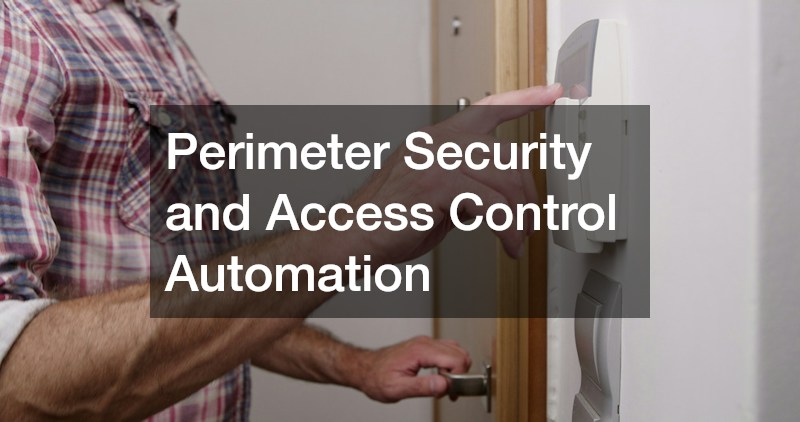
Building an adaptable home begins at the property line. Modern perimeter management bridges physical barriers with intelligent digital monitoring, creating a seamless boundary that protects your household while simplifying daily routines.
Implement Layered Smart Access Points
Traditional perimeter boundaries often fail due to material decay, inadequate structural support, or a complete lack of integration with modern smart security networks. Upgrading physical boundary structures ensures lasting privacy, security, and physical stability over several decades.
- Material Durability: Opt for high-density composite or heavy-gauge aluminum fencing solutions that resist rot, insect damage, UV degradation, and extreme weather without requiring frequent painting, staining, or structural re-anchoring.
- Integrated Sensing Infrastructure: Mount low-voltage perimeter lighting, motion detection arrays, and high-definition smart camera networks directly along boundary lines to eliminate security blind spots around your property edge.
- Keyless Guest Access: Install smart keypads and two-way video intercoms at entry points, allowing you to grant temporary digital access keys to delivery drivers, service personnel, or guests directly from your smartphone.
- Environmental Resistance: Choose hardware coatings rated for high moisture and thermal swings to ensure electronic lock mechanisms and physical latches do not seize during severe weather events.
Setting up a resilient boundary requires treating the outer perimeter as an active security zone rather than a static barrier. By selecting materials engineered for harsh environmental exposure, you reduce long-term maintenance costs while creating a reliable physical framework for modern electronic security components.
Automate Driveway and Main Entryways
Automated access control turns your primary driveway entrance into a secure, convenient transit point. Modern vehicular entry systems integrate smart connectivity directly into heavy-duty mechanical hardware to deliver smooth, reliable operation.
- Smart Gate Actuators: Install heavy-duty motor-driven electric gates equipped with integrated battery backups to ensure uninterrupted operation during sudden municipal power grid outages.
- Vehicle Detection Loops: Incorporate ground-loop sensors and license-plate recognition cameras to automatically open entry points for registered household vehicles without requiring manual transmitter clicks.
- Remote Monitoring and Management: Connect gate controllers to your central smart home hub to receive instant access alerts, check real-time gate position status remotely, and manage guest entry from anywhere in the world.
- Obstruction Safety Arrays: Integrate photo-eye safety beams and force-sensing reversal mechanisms to protect vehicles, pedestrians, and pets from accidental contact during closing cycles.
Integrating motorized access control at the driveway level minimizes unauthorized property entries while offering unmatched convenience. The combination of local battery systems and intelligent app control guarantees that your primary access point remains operational, secure, and fully visible at all times.
Exterior Structural Durability and Outdoor Living

Outdoor living spaces represent a significant extension of your interior floor plan. Future-proofing your exterior requires choosing materials engineered to withstand evolving climate shifts while providing automated comfort and climate protection.
Design Weather-Adaptive Shading and Climate Shields
Controlling solar heat gain on your home’s exterior envelope is one of the most effective strategies to reduce interior cooling loads, lower monthly electric bills, and protect outdoor furnishings from sun degradation.
- Automated Solar Sensors: Install motorized residential awnings equipped with real-time wind and sun sensors that automatically extend during peak sunlight hours to shade windows and retract during sudden high-wind storms.
- Thermal Gain Reduction: Positioning dynamic shading solutions over west- and south-facing windows can drop glass surface temperatures dramatically, relieving immense operational strain on interior air conditioning units.
- Smart Home Automation Integration: Sync your exterior shading systems with smart home weather tracking applications so your outdoor living zones automatically adapt to real-time microclimate conditions and ambient light levels.
- Durable Fabric Technology: Select solution-dyed acrylic or PVC-coated polyester textiles that resist fading, mildew, water pooling, and tearing across years of direct sun exposure.
Proactive exterior shading blocks heat before it ever penetrates your home’s thermal envelope. By automating these shading elements, you optimize indoor energy performance automatically, preserving your climate control systems while extending the lifespan of outdoor patio furniture.
Build Low-Maintenance High-Traffic Outdoor Frameworks
An outdoor entertainment space must be engineered for long-term structural integrity, heavy foot traffic, and minimal annual maintenance. Using advanced building practices ensures your exterior decks remain safe and visually appealing for decades.
- Substructure Integrity: Prioritize pressure-treated steel or heavy-duty aluminum joist frameworks over traditional wood framing to eliminate sagging, rot, warp, and joist failure over extended exposure cycles.
- Composite Decking Solutions: Select high-performance capped composite or PVC decking featuring hidden fastener systems for a smooth, splinter-free finish that resists stains, moisture absorption, and color fading.
- Professional Engineering: Work closely with a qualified deck builder to verify structural load capacity, ensuring the framework can support future heavy additions such as hot tubs, outdoor kitchens, or glass-enclosed solar pergolas.
- Integrated Drainage Systems: Incorporate under-deck drainage channels to divert water away from lower storage zones, protecting structural supports and expanding usable dry outdoor storage space underneath.
Building outdoor living zones with engineered composites and steel framing avoids the endless cycle of sanding, staining, and board replacement. A properly engineered foundation ensures the structure remains stable enough to accommodate evolving lifestyle additions over time.
Smart Utility Management and Preventive Infrastructure
The true operational engine of your home lies within its core utilities. Upgrading plumbing and mechanical systems with smart monitoring safeguards your budget against emergency breakdowns, hidden water leaks, and catastrophic property damage.
Modernize HVAC Systems with Predictive Diagnostics
Heating and cooling account for the largest single portion of residential energy consumption. Modernizing these systems goes far beyond simply purchasing a high-efficiency unit; it requires active system performance monitoring.
- Smart Climate Automation: Install multi-stage heat pumps paired with smart thermostats that optimize heating schedules based on real-time electricity tariff rates, weather forecasts, and room-by-room occupancy.
- Air Filtration and Indoor Air Quality: Integrate inline HEPA filtration, energy recovery ventilators (ERVs), and UV-C light purifiers directly into your ductwork to maintain superior indoor air quality year-round.
- Predictive Maintenance Diagnostics: Monitor system performance using connected sensor arrays to catch air filter clogs, blower motor strain, or refrigerant leaks early, avoiding expensive emergency heater repairs during severe winter freeze events.
- Zoned Damper Control: Utilize electronically controlled duct dampers to direct conditioned air precisely where it is needed, preventing wasted energy in unused guest rooms or storage areas.
Modern climate control systems must deliver both extreme efficiency and proactive health diagnostics. By catching minor mechanical issues before they turn into full component failures, you keep heating and cooling costs predictable while maintaining optimal indoor air quality.
Prevent Structural Water Damage with Sensor-Guided Plumbing
Uncontrolled water leaks cause catastrophic, hidden structural damage faster than almost any other home hazard. Future-proof plumbing relies on proactive monitoring, early detection, and automated supply line shutoffs.
- Automatic Main Shutoff Valves: Install an ultrasonic flow meter on your main incoming water line that continuously tracks consumption patterns and automatically closes the supply valve if a burst pipe or continuous leak is detected.
- Point-of-Use Leak Sensors: Place wireless water sensors under water heaters, dishwashers, washing machines, refrigerator ice lines, and bathroom sink vanities to trigger instant smartphone alerts at the first sign of moisture.
- Routine Pipeline Upkeep: Schedule periodic professional drain cleaning to remove accumulated mineral scale, tree root intrusion, and bio-film build-up, preserving internal pipe integrity and avoiding severe municipal sewer line backups.
- Pressure-Regulating Valves: Fit high-efficiency pressure regulators to manage city water supply spikes, protecting delicate indoor fixtures, flexible supply lines, and appliances from internal stress failure.
Water monitoring systems transform your plumbing network from a passive risk into an actively managed utility. Catching micro-leaks early and preventing mainline backups saves tens of thousands of dollars in structural remediation and insurance claims over the life of your home.
Next-Gen Garage Operations and Access Hubs
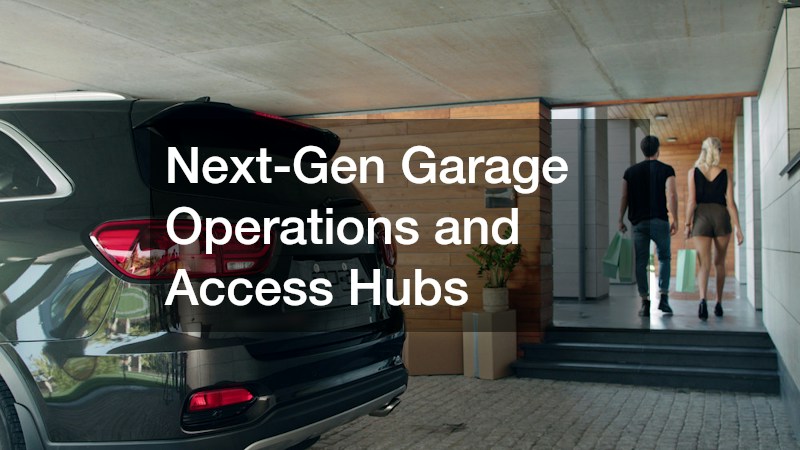
The garage serves as a primary access portal, workshop, energy hub, and central storage unit. Upgrading this space enhances daily household logistics, vehicle charging, security, and thermal insulation.
Upgrade Access Systems for Smart Connectivity and Safety
Modern garage access demands quiet operational mechanics, high reliability, and complete digital transparency across all smart home platforms.
- Direct-Drive Motor Technology: Replace noisy, vibration-heavy chain-driven openers with ultra-quiet direct-drive or belt-drive overhead door systems equipped with integrated battery backups for power outage resilience.
- Camera and Smartphone Integration: Utilize openers featuring built-in wide-angle cameras and two-way audio communication to monitor package deliveries placed inside your garage space safely and remotely.
- Mechanical Health Audits: Perform regular balance checks and address frayed cables, worn torsion springs, or loose tracks immediately by scheduling professional garage door repair to keep entry points safe, operational, and reliable.
- Automated Closing Timers: Program safety routines that automatically close open garage doors after a set period of inactivity or at specific evening hours to maintain property security.
Upgrading garage door mechanics removes a major source of home noise while adding essential visibility into daily home access. Coupled with digital access management, your garage becomes a secure transit zone for both household members and package deliveries.
Optimize Energy Efficiency and Environmental Seals
Because the garage often connects directly to conditioned interior living quarters, insulating this large boundary zone prevents major thermal energy loss and improves overall home comfort.
- High R-Value Door Panels: Upgrade to multi-layer insulated steel garage doors featuring injected polyurethane foam cores to maintain stable internal temperatures during extreme summer heat and winter cold.
- Perimeter Weather Seals: Replace cracked bottom rubber gaskets, top seals, and side weatherstripping to block drafts, pest intrusion, moisture, and windblown outdoor dust.
- EV-Ready Power Infrastructure: Install a dedicated 240-volt Level 2 electric vehicle charging station connected to a smart subpanel, future-proofing your garage for current and future electric transport needs.
- Heavy-Duty Surface Coatings: Coat concrete floors with polyaspartic or epoxy surface seals that resist chemical spills, oil stains, hot tire pickup, and surface cracking, making cleanup fast and effortless.
A fully insulated and sealed garage acts as a powerful thermal buffer between the outdoors and your home’s interior. Equipping this space with high-capacity electrical charging infrastructure prepares your residence for modern energy demands without requiring costly future panel teardowns.
Modernizing Interior Surfaces and Custom Storage Solutions

Interior spaces should balance high aesthetic appeal with extreme practical durability. Choosing resilient surface materials and technology-integrated storage solutions simplifies cleaning while accommodating changing family routines.
Install Waterproof, High-Durability Flooring
Modern interior flooring needs to handle heavy foot traffic, pet claws, moisture spills, and furniture moves without showing wear or requiring constant surface refinishing.
- Advanced Wear Layer Engineering: Select commercial-grade luxury vinyl plank featuring thick wear layers and rigid stone-plastic composite (SPC) core construction to provide exceptional resistance against deep scratches, heavy impacts, and total water immersion.
- Acoustical Underlayment Sublayers: Pair high-performance floor planks with premium closed-cell acoustic underlayment materials to reduce footstep sound transmission between rooms and multi-story floor plans.
- Radiant Heating Compatibility: Ensure interior flooring choices are fully compatible with electric or hydronic underfloor radiant heating systems for efficient, silent, step-to-step warmth during cold weather months.
- Seamless Transition Design: Lay continuous flooring across open-concept layouts without unnecessary threshold breaks, creating an expansive visual flow while eliminating trip hazards and dirt-trapping gaps.
Selecting ultra-durable flooring eliminates the need for expensive hardwood refinishing or carpet replacement cycles every few years. The combination of waterproof cores and acoustic backing delivers quiet, long-lasting comfort across all high-traffic living areas.
Integrated Tech-Ready Storage and Kitchen Infrastructure
Kitchens and central living zones require thoughtful spatial planning to keep personal devices organized, powered, and free of visible cord clutter.
- Custom Storage Tailoring: Design bespoke storage systems through precise custom cabinetry fabrications that incorporate dedicated charging drawers, pull-out recycling stations, adjustable shelving, and hidden appliance garages.
- Durable Work Surfaces: Complete kitchen work zones with a professional kitchen counter installation utilizing heat-resistant, non-porous quartz or engineered porcelain slabs that resist deep staining, knife scratches, and bacterial growth.
- Wireless Power Integration: Incorporate hidden wireless charging modules directly beneath stone countertop surfaces, allowing family members to power smart devices simply by placing them on designated counter spots.
- Integrated LED Task Lighting: Install recessed warm LED light strips under upper cabinets and inside deep drawers to maximize visibility while minimizing overall electrical draw.
- Ventilated Technology Closets: Build dedicated media and router cabinets featuring whisper-quiet cooling fans to keep internet modems, home automation hubs, and audio receivers hidden away without overheating.
Modern kitchens and living spaces function best when technology infrastructure is built directly into the furniture and stone surfaces. Concealing cabling, integrating wireless charging, and selecting non-porous counter materials ensures that busy daily hubs remain clean, functional, and organized.
Future-proofing your home is an investment in long-term comfort, safety, and financial predictability. By pairing durable building materials with intelligent automation and preventive monitoring systems, you create a living space that adapts effortlessly to changing environmental conditions and emerging lifestyle needs. Rather than attempting a complete overhaul overnight, focus on systematic updates that protect your structural shell and utility infrastructure first. Step by step, these modernizations will lower your ongoing maintenance demands, drop your monthly energy expenses, and ensure your property remains a comfortable, high-value sanctuary for decades to come.