

Every homeowner eventually encounters unexpected property issues, but distinguishing between a minor inconvenience and an urgent household emergency is critical for personal safety and structural preservation. Minor cosmetic blemishes or sluggish drains can usually wait for a scheduled service appointment during standard business hours. Conversely, active water intrusions, sudden electrical arcing, and mechanical climate failures during extreme weather demand immediate, decisive action. Delaying intervention when a home’s primary systems fail can turn a manageable repair into thousands of dollars in secondary structural rot, catastrophic mold contamination, or devastating electrical fire damage.
Handling Sparking Outlets and Sudden Power Outages
Electrical emergencies carry an immediate risk of fire and electrocution, making them the most hazardous issues a homeowner can encounter. Outlets that buzz, emit burning fishy or acrid plastic odors, show scorched black marks, or throw visible sparks when appliances are plugged in require instant utility shutdown at the breaker. Similarly, partial power outages that leave half the home dark while lights flicker violently often signal a dropped neutral line or damaged service entrance cable. Calling for professional emergency electrical services ensures a licensed electrician arrives equipped with thermal imaging cameras and voltage meters to isolate short circuits, loose connections, and arcing faults before sparks ignite interior drywall or attic framing.
Emergency electricians work quickly to stabilize volatile electrical conditions and restore essential life-safety circuits. Technicians test branch circuits for hidden wiring heat, replace compromised breaker switches, and re-terminate melted connections with flame-retardant connectors. If lightning strikes or severe utility power surges have compromised whole-home wiring, emergency crews isolate compromised subpanels and provide temporary generator hookups to keep medical equipment, refrigerators, and security systems functioning. Rapid intervention from an emergency electrician prevents dangerous house fires, protects expensive home electronics, and ensures your electrical grid remains stable and code-compliant.
Securing Storm-Damaged Rooflines to Stop Active Leaks
Violent thunderstorms, microbursts, and heavy windstorms can strip away exterior building envelopes in a matter of seconds. When high winds tear off shingle tabs, dislodge valley metal flashing, or send tree branches puncturing through plywood decking, rainwater immediately pours into attic insulation and pools on ceiling drywall. Saturated drywall can quickly collapse under the weight of trapped water, destroying furniture, hardwood floors, and electrical fixtures below. Contacting a local emergency roofing company is critical to stabilizing the breach with heavy-duty waterproof tarps, furring strips, and temporary seals before the next wave of severe weather arrives.
Emergency roofing specialists arrive equipped to work safely on steep, wet pitches, identifying hidden puncture points and structural truss displacements that are invisible from the ground. Technicians secure damaged rooflines with reinforced synthetic tarps, anchoring them tightly along the ridge and eaves to prevent wind from catching the edges and tearing them free. Rapid emergency tarping prevents rainwater from running down interior wall studs, stopping hidden toxic mold growth and preserving structural framing lumber. Getting an emergency roofing crew on-site immediately halts active water intrusion, buys valuable time to file insurance claims, and protects your home’s finished living areas from devastating interior water damage.
Addressing Strange Clanking Sounds and Sudden Blower Failures

A central heating and cooling system should operate smoothly with a steady, low hum of circulating air. Loud banging, screeching metal-on-metal noises, or sudden clanking from the air handler or compressor indicates severe mechanical failure, such as a fractured blower wheel, a loose connecting rod, or a seized motor bearing. Continuing to run an HVAC system under these conditions will quickly burn out expensive drive motors or destroy internal compressor valves. Scheduling urgent HVAC repairs at the first sign of unnatural mechanical distress allows technicians to shut down and inspect the equipment before a small broken component causes catastrophic, whole-system failure.
Experienced HVAC technicians carry diagnostic tools to test motor run capacitors, inspect belt-drive tensions, and check electrical amp draws on circulating fan assemblies. Beyond mechanical noises, a complete loss of airflow while the equipment continues to hum signals a seized blower motor or a frozen evaporator coil choking off the ventilation path. Technicians thaw iced coils, clear obstructed condensate drainage channels that threaten to overflow into utility rooms, and replace shattered blower assemblies. Promptly addressing HVAC mechanical failures restores healthy airflow, prevents severe secondary motor burnout, and ensures your indoor climate control remains dependable and safe.
Replacing Leaking Storage Tanks With On-Demand Units
Traditional storage water heaters hold thirty to eighty gallons of pressurized, heated water at all times. As internal sacrificial anode rods wear away, acidic minerals in the water attack the steel tank, leading to rust flaking, structural weakening, and sudden bottom-seam ruptures. A corroded water heater that starts weeping water along its base can rapidly burst without warning, dumping dozens of gallons across finished basements, utility rooms, and adjacent living quarters within minutes. If your tank shows rust streaks, pooling water, or emits banging sediment sounds during heating cycles, replacing the failing unit with a modern tankless water heater eliminates the hazard of catastrophic tank ruptures entirely.
Tankless systems operate on-demand, flash-heating water through high-efficiency heat exchangers only when a tap or shower is turned on, removing the need for a massive, rust-prone storage reservoir. Professional plumbers handle the urgent transition by capping compromised lines, upgrading gas supply piping or electrical breaker feeds to support the new unit’s higher instantaneous load, and installing direct-vent exhaust flues. On-demand water heaters mount compactly on the wall, freeing up valuable floor space while eliminating standby energy losses. Upgrading to a tankless unit during a water heating emergency permanently removes flooding risks from corroded tanks and provides an endless, reliable supply of hot water for daily household needs.
Inspecting Punctured Shingles and Rotted Roof Decking
Water damage from roof penetrations rarely remains confined to the surface shingles; it steadily migrates downward into the structural wooden substructure. When falling hail, satellite dish removals, or dislodged fasteners puncture shingle mats, moisture seeps into the underlying oriented strand board (OSB) or plywood roof decking. Over several months, trapped moisture turns structural decking soft, spongy, and rotten, compromising its ability to hold nails and support heavy winter snow loads. Hiring an experienced roofing contractor to perform a deep structural inspection identifies soft decking spots, rotted fascia boards, and hidden water channels before the roof plane sags or collapses.
Professional roofers step across the roof to identify soft, yielding areas, peel back damaged shingles, and assess the extent of moisture penetration into the attic rafters. If moisture has compromised the underlying decking, contractors saw out rotted wood sheets, treat surrounding framing lumber with antimicrobial agents, and install sturdy, moisture-resistant plywood underlayments. Technicians seal all new joints with self-adhering waterproof ice-and-water shield barriers before nailing down matching replacement shingles. Thorough roof inspections and prompt wood repairs prevent localized punctures from turning into widespread roof failure, ensuring your home’s structural framing remains rigid, dry, and secure.
Repairing Structural Roof Damage After Fallen Tree Limbs
Severe storms and saturated soils frequently cause heavy tree branches or entire trees to crash down onto residential roofs. The impact of a falling limb can shatter roof rafters, crack main ridge beams, and puncture large holes directly through attic spaces. When this occurs, the structural load-bearing capacity of the roof is immediately compromised, creating an urgent collapse risk that threatens the living spaces directly below. Engaging experienced residential roofing companies ensures a rapid, comprehensive response that includes structural stabilization, temporary weather-sealing, and precise framing repairs.
Skilled roofing crews coordinate closely with crane operators and tree removal specialists to lift heavy wood off the roof deck without causing further crushing damage to surrounding walls and gutters. Once the debris is cleared, carpenters sister fractured rafters, replace splintered collar ties, and rebuild crushed truss webs to restore the roof’s structural integrity. Technicians then install fresh structural sheathing, synthetic underlayment, and color-matched shingles to return the exterior envelope to its pre-damage condition. Rapidly repairing structural roof framing halts progressive wall buckling, prevents secondary interior collapses, and restores total structural safety to your home.
Swapping Out Seized Compressors During Extreme Summer Heat
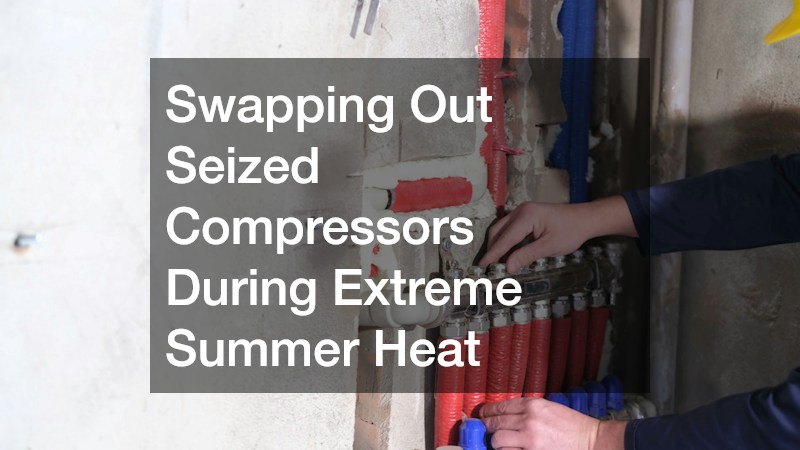
When outdoor temperatures surge past ninety degrees, a sudden air conditioning breakdown shifts from an inconvenience to a dangerous health hazard, especially for elderly family members, young children, and pets. Severe electrical surges or prolonged strain from clogged coils can cause the outdoor compressor—the literal heart of the cooling system—to mechanically seize or short to ground. If the outdoor condenser hums loudly without starting, repeatedly trips the main breaker, or vents burning chemical odors, the compressor has suffered a fatal breakdown. In extreme heat waves, arranging immediate ac installations to replace a burned-out condensing system restores safe indoor temperatures before indoor heat exhaustion sets in.
Modern air conditioning units offer rapid relief and deliver significantly higher energy efficiency than older models running on phased-out refrigerants. Professional technicians recover contaminated refrigerant lines, flush copper line sets to remove acidic burnout residue, and mount new condensing units on level composite pads. Technicians wire modern disconnect switches and verify correct subcooling and superheat measurements to ensure the new compressor runs smoothly under peak ambient heat. Replacing an obsolete, seized cooling unit during a summer breakdown eliminates dangerous indoor heat spikes and provides reliable, energy-efficient cooling for seasons to come.
Fixing Ignition Lockouts to Restore Winter Heat
Freezing winter temperatures leave a home vulnerable to rapid indoor heat loss and burst water pipes if a furnace or boiler suddenly fails. Modern heating systems incorporate sensitive safety switches that trigger a complete system lockout if an ignition sequence fails three consecutive times. A cracked hot surface ignitor, a corroded flame sensor that cannot detect the burner flame, or a blocked intake flue will cause the furnace to shut off gas flow entirely to prevent dangerous raw gas accumulation. Calling for urgent Heating repair when indoor temperatures start to drop rapidly ensures a technician can diagnose safety interlocks and restore heat before household plumbing freezes and bursts.
Certified heating technicians test flame rectification microamps, clean oxidized flame rods, and check gas manifold pressures to resolve ignition lockouts safely. If exhaust venting is blocked by exterior ice dams or bird nesting, technicians clear intake terminations to satisfy differential pressure switches. Restoring the heating cycle promptly keeps ambient temperatures high enough to prevent water lines inside exterior walls from freezing, expanding, and splitting. Rapid heating repairs protect your family from freezing conditions, prevent catastrophic pipe freeze-ups, and ensure your combustion appliances vent hazardous flue gases safely outdoors.
Spreading Gravel and Sand to Prevent Foundation Flooding
Torrential rainfall and sudden seasonal thaws can overwhelm residential grading, sending sheets of surface water pooling directly against basement walls and crawl space access wells. When soil becomes completely saturated, hydrostatic pressure builds against concrete masonry foundations, forcing muddy water through hairline cracks and cold joints into finished basements. Sourcing bulk landscaping supplies like crushed drainage gravel, coarse sand, and perforated weeping pipes allows homeowners to construct emergency swales and french drain trenches to divert surface runoff away from foundation walls.
Creating a temporary gravel drainage trench catches surface runoff before it hits foundation footings, directing the water toward low-lying yard areas or storm basins. Coarse sand and gravel backfills settle quickly, providing stable, permeable pathways that prevent water from ponding around exterior basement window wells. Placing sandbags lined with heavy polyethylene plastic along vulnerable garage aprons and patio walkouts creates an effective barrier against rising floodwaters. Using proper drainage materials during heavy rain events stabilizes saturated perimeter soil, eliminates hydro-pressure against foundation walls, and protects lower living levels from costly water damage.
Rebuilding Collapsed Roof Decks and Degraded Shingle Layers
Neglecting chronic roof leaks, widespread moss colonization, and aging organic shingles eventually leads to catastrophic structural deck failure. Over years of hidden water intrusion, roof sheathing absorbs moisture, delaminates, and rots until it can no longer support its own weight or the weight of service technicians. If a roof exhibits noticeable sags, dips along the eaves, or bouncy spots when walked upon, the decking has failed structurally and is at risk of falling through into the attic. Investing in full-scale roof replacement services is the only safe, permanent fix to strip away compromised materials and rebuild the roof deck from the framing up.
Comprehensive roof tear-offs allow contractors to inspect every rafter, replace rotted framing timber, and fasten fresh, code-compliant CDX plywood or oriented strand board across all roof planes. Professional roofers install heavy-duty drip edges, breathable synthetic underlayments, and self-adhering ice-and-water shields across vulnerable valleys and eaves before nailing down modern architectural shingles. A complete tear-off and rebuild removes hidden mold colonies, restores structural load capacity, and guarantees reliable, multi-decade weather protection. Rebuilding a degraded roof envelope permanently eliminates chronic structural risks and restores complete peace of mind.
Knowing how to identify urgent home emergencies and acting without delay is essential for protecting your family’s safety and preserving your property’s value. Sparking electrical outlets, active ceiling leaks from storm damage, mechanical HVAC failures, and flooded basements cannot wait for routine business hours. Delaying repairs when structural envelopes or critical mechanical systems fail only allows damage to spread, leading to extensive structural rot, mold contamination, and severe safety hazards. Shutting down compromised systems and contacting qualified emergency professionals immediately stops cascading damage before it spreads throughout the home.
Successfully navigating a property emergency relies on working with licensed, experienced trade contractors across every field. Certified emergency electricians, specialized roofers, experienced HVAC technicians, and site drainage specialists possess the advanced tools, technical expertise, and safety training required to stabilize dangerous conditions quickly and effectively. Taking decisive, informed action during an emergency protects your property’s structural health, keeps your household safe, and ensures your home remains a resilient, secure sanctuary for years to come.