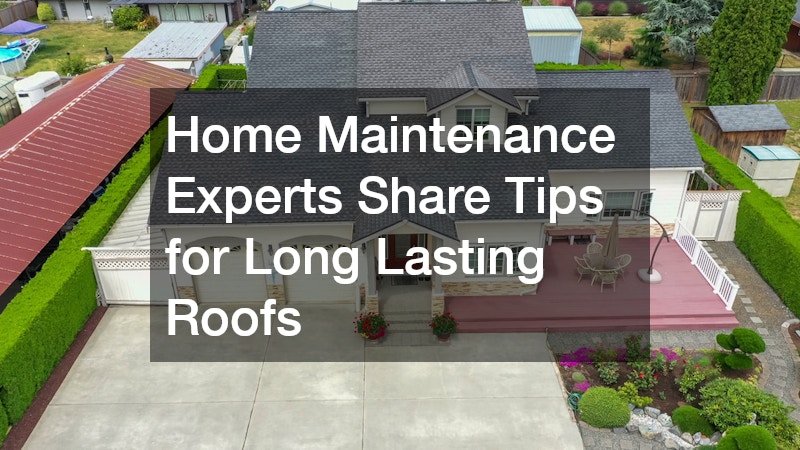

A well-maintained roof is essential for protecting your home from the elements and maintaining its value over time. Many homeowners underestimate the importance of regular roof inspections and upkeep, but neglect can quickly lead to costly repairs. Home maintenance experts emphasize that even minor issues, such as small leaks or missing shingles, can escalate into significant structural problems if left untreated. By understanding the signs of wear, scheduling routine inspections, and performing preventative maintenance, homeowners can extend the life of their roof and safeguard their property.
This guide draws on the expertise of professional roofers, gutter guard installers, and home maintenance experts to provide practical advice on roof care. From identifying water leaks to choosing the right roofing materials, the following tips will help you make informed decisions about your roof. Whether you live in a custom home or a more traditional residence, these strategies can prevent common problems, improve energy efficiency, and enhance overall durability. Investing time and resources into roof maintenance today ensures your roof remains strong and functional for years to come, saving you from expensive repairs in the future.
What Are the Signs of Roof Damage?
Interior Water Leaks
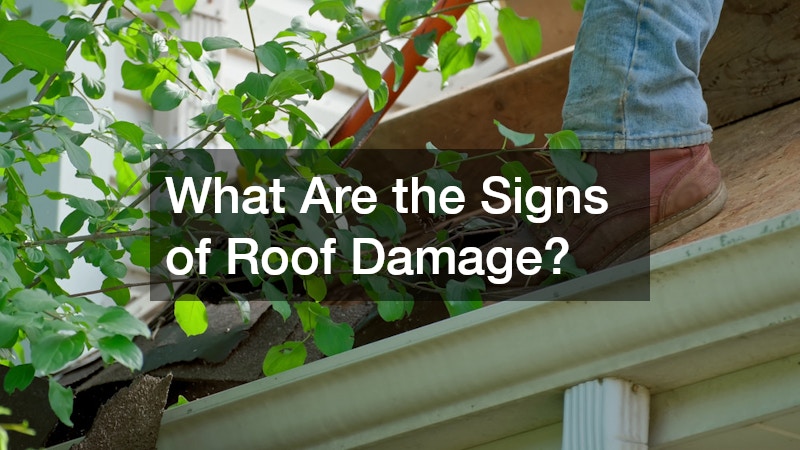
One of the first indicators of roof damage is water intrusion inside your home. Home maintenance experts often point out that water stains on ceilings or walls are a clear sign that a leak may exist. These stains can appear as yellow or brown patches, sometimes with bubbling or peeling paint. Ignoring these signs can result in mold growth, wood rot, and structural damage, which may compromise the safety and comfort of your home.
Roof repair service professionals recommend inspecting areas around skylights, chimneys, and roof vents, as these are common spots for leaks. Additionally, water infiltration often occurs after heavy rain or snow, so paying close attention after seasonal storms is critical. Gutter installation and proper drainage also play a vital role in preventing interior leaks. Gutter guard installers often stress that clogged gutters can redirect water back toward the roof, worsening existing issues.
Missing or Damaged Shingles
Another obvious sign of roof damage is missing or deteriorated shingles. Shingles protect the underlying roof structure from rain, wind, and UV exposure, so even minor damage can lead to serious problems if not addressed promptly. Home maintenance experts advise regular visual inspections to identify curling, cracking, or loose shingles. Metal roofing may show different signs of wear, such as rust or loose fasteners, and should be checked accordingly.
If shingles are repeatedly missing or damaged in certain areas, it may indicate that the roof is approaching the end of its lifespan or that installation issues occurred. Roofing companies recommend repairing or replacing damaged shingles as soon as possible to prevent leaks and further structural harm. For homeowners with custom homes, even aesthetic considerations can play a role, as damaged shingles can affect curb appeal and overall property value.
How Often Should I Inspect My Roof?
Seasonal Check-Ups
Home maintenance experts recommend scheduling roof inspections at least twice a year, typically in spring and fall. Seasonal check-ups allow you to identify potential problems before extreme weather exacerbates them. During inspections, homeowners should look for loose shingles, signs of water damage, and debris buildup. Regular seasonal inspections also help roofing companies plan preventative repairs, saving money over time.
For homeowners with custom homes, seasonal inspections are particularly important. These homes may feature complex roof designs or unique materials that require specialized attention. Home maintenance experts advise documenting the condition of your roof during each inspection so changes can be tracked over time. This proactive approach ensures that minor issues, such as small leaks or gutter clogs, are addressed before they turn into major roof repair projects.
After Severe Weather
Storms, heavy snow, and high winds can significantly impact the integrity of your roof. Home maintenance experts urge homeowners to conduct a thorough post-storm assessment, either personally or with a roofing company. Roof repair services often recommend checking for dislodged shingles, dented metal roofing, or clogged gutters that may have been affected by storm debris.
Gutter guard installers also emphasize the importance of inspecting drainage systems after storms. Leaves, twigs, and other debris can block water flow, causing roof leaks and water damage inside the home. Scheduling a prompt inspection after severe weather ensures that repairs are made quickly and prevents small problems from escalating into expensive emergencies.
What Roof Maintenance Tasks Should I Perform Regularly?
Cleaning Gutters
Clogged gutters are a leading cause of roof damage, according to home maintenance experts. When gutters are blocked, water can back up and seep under shingles, causing leaks and rot. Regular gutter cleaning, ideally twice a year, ensures proper water flow and protects both your roof and the foundation of your home. Gutter installation by professionals can reduce the risk of future clogs, especially when combined with high-quality gutter guards.
Roofer services often include gutter inspection as part of routine maintenance. By removing debris and checking for loose or damaged sections, homeowners can avoid costly roof repair service calls. For those managing a gutter business, educating clients on the importance of clean gutters can prevent long-term issues and reinforce your role as a trusted home maintenance expert.
Removing Debris
In addition to gutters, keeping the roof surface free from debris is essential for longevity. Leaves, branches, and other materials can trap moisture, promote moss growth, and damage shingles. Home maintenance experts recommend clearing debris from the roof regularly, particularly in areas surrounded by trees. For metal roofing, debris can scratch or dent surfaces, so careful removal is key.
Proper removal techniques vary depending on the type of roof and its slope. Roofing companies often advise using soft-bristle brooms or leaf blowers, avoiding sharp tools that could cause damage. Maintaining a debris-free roof not only prevents leaks but also improves the overall efficiency and lifespan of the roofing system.
When Should I Replace My Roof?
Lifespan of Different Roofing Materials
Home maintenance experts stress that understanding the lifespan of roofing materials is crucial for planning replacements. Asphalt shingles typically last 20–30 years, while metal roofing can endure 40–70 years with proper maintenance. Roof repair service professionals note that factors such as climate, installation quality, and regular upkeep influence longevity. Gutter guard installers also emphasize that effective drainage can extend roof life by preventing water damage and reducing stress on the materials.
For custom homes, roofing choices can vary widely, so consulting a reputable custom home builder or roofer is essential. Home maintenance experts recommend creating a maintenance schedule tailored to the material type and local weather conditions. By monitoring the roof’s age and condition, homeowners can make informed decisions about repairs versus full replacement, ensuring their home remains protected without unnecessary expenses.
When Repairs Are No Longer Viable
There comes a point when patching leaks or replacing shingles is no longer cost-effective. Home maintenance experts suggest considering a full roof replacement when damage is widespread, shingles are curling or missing, or the underlying structure shows signs of rot or decay. Roofing companies caution that repeated repairs may only offer temporary solutions and could compromise safety over time.
A professional roofer can evaluate the overall condition and recommend whether repairs or replacement are necessary. For homeowners managing a gutter business or working with gutter guard installers, noting how drainage issues have affected roof integrity can also guide the replacement timeline. Addressing problems promptly prevents more extensive damage, protects property value, and maintains energy efficiency.
What Are the Best Practices for Roof Repair?
Choosing the Right Materials
Selecting high-quality materials is critical to successful roof repair, according to home maintenance experts. Using durable shingles, metal roofing panels, or appropriate underlayment can prevent recurring issues and extend the life of your roof. Roofing companies often stress that cheaper alternatives may save money initially but lead to more frequent roof repair service calls in the future.
For custom homes, material choice can also impact aesthetics and property value. Home maintenance experts recommend consulting experienced roofers to ensure materials are compatible with the roof’s structure and climate conditions. Combining proper materials with expert installation maximizes durability and minimizes long-term maintenance costs.
Hiring Professional Help
While minor repairs can be handled by handy homeowners, home maintenance experts advise seeking professional help for significant issues. Roof repair service providers have the tools, experience, and safety knowledge to tackle complex repairs efficiently. Attempting major repairs without proper expertise can lead to mistakes, increased damage, or even personal injury.
Working with a trusted roofing company ensures repairs are done correctly and often comes with warranties or guarantees. Gutter guard installers and roofers alike recommend coordinating gutter and roof maintenance to address any underlying issues. Home maintenance experts agree that hiring skilled professionals is an investment that protects both the roof and the overall integrity of the home.
How Can I Improve My Roof’s Energy Efficiency?
Insulation and Ventilation
Proper insulation and ventilation are critical for maintaining a comfortable indoor climate while reducing energy costs. Home maintenance experts explain that adequate insulation prevents heat loss in winter and keeps your home cooler in summer. Roof repair services can inspect attics and roof structures to ensure ventilation systems are functioning efficiently, which also prevents moisture buildup and extends roof life.
Custom home builders often incorporate energy-efficient designs, but even existing homes can benefit from upgrades. Home maintenance experts recommend combining proper insulation with regular roof inspections to identify areas where heat may escape or accumulate. This proactive approach reduces energy bills while safeguarding your roof from damage caused by excess moisture or temperature fluctuations.
Reflective Roofing Materials
Reflective or cool roofing materials can significantly reduce heat absorption, lowering cooling costs in warmer climates. Home maintenance experts highlight that selecting reflective shingles or metal roofing can make a measurable difference in energy efficiency. Roofing companies can advise on suitable options that maintain aesthetic appeal while improving performance.
In addition to material selection, home maintenance experts recommend pairing reflective surfaces with regular maintenance. Cleaning gutters, clearing debris, and ensuring proper ventilation all enhance the energy-saving potential of reflective roofing. By combining these practices, homeowners can enjoy both lower utility bills and a longer-lasting roof.
What Are Common Myths About Roof Maintenance?

“All Roofs Last Forever”
Many homeowners mistakenly believe that once installed, a roof does not require maintenance. Home maintenance experts debunk this myth, noting that even the most durable roofs experience wear over time. Ignoring small problems, such as minor leaks or damaged shingles, can lead to extensive roof repair service needs and costly replacements.
Roofing companies emphasize that regular inspections and preventative care are key to extending roof life. Gutter guard installers also point out that proper drainage prevents water damage, which is one of the most common causes of premature roof failure. Understanding that roofs require ongoing attention is essential for homeowners who want a long-lasting, secure home.
“DIY Repairs Are Always Cheaper”
While DIY repairs may seem cost-effective, home maintenance experts warn that improper techniques can worsen problems. Using incorrect materials or failing to follow safety guidelines can result in additional damage, increased repair costs, or personal injury. Professional roofers provide expertise that ensures repairs are done correctly the first time.
Custom home builders and gutter business professionals often stress that coordination between roof repairs and gutter maintenance is critical. Home maintenance experts agree that investing in professional help for significant repairs saves money and preserves the overall integrity of the home. The perceived savings from DIY work are often outweighed by the long-term costs of mistakes.
How to Prepare My Roof for Seasonal Changes?
Winter Preparation
Preparing your roof for winter is essential for preventing leaks, ice dams, and structural damage. Home maintenance experts recommend cleaning gutters, inspecting shingles, and reinforcing flashing before snowfall begins. Roof repair service professionals often suggest adding insulation and checking ventilation to prevent heat loss and condensation issues.
Gutter guard installers emphasize that ice buildup in clogged gutters can damage both the roof and exterior walls. By addressing these concerns early, homeowners can protect their investment and avoid emergency repairs. Regular maintenance in the fall sets the stage for a durable, problem-free winter season.
Spring Maintenance
Spring is the ideal time to inspect your roof after harsh winter conditions. Home maintenance experts advise checking for missing shingles, water damage, and debris buildup. Roof repair services can repair minor damage before it escalates, ensuring the roof is ready for summer storms and rain.
For homes with metal roofing or complex designs, professional inspections are especially valuable. Gutter guard installers recommend clearing any accumulated debris and verifying that water flows freely. Home maintenance experts stress that a proactive approach in spring prevents small issues from developing into expensive repairs, keeping the roof strong and functional year-round.
Maintaining a roof is a continuous process that requires attention, expertise, and timely intervention. Home maintenance experts agree that identifying damage early, performing regular inspections, and investing in quality repairs are crucial steps for ensuring long-lasting roofs. From cleaning gutters and removing debris to selecting the right materials and hiring skilled professionals, every action contributes to the overall durability of your roof.
By following these best practices, homeowners can extend the lifespan of their roofing system, improve energy efficiency, and safeguard the structural integrity of their property. Whether you own a custom home or a traditional residence, working with experienced roofers, gutter guard installers, and home maintenance experts provides peace of mind and protects your investment. Taking a proactive approach to roof maintenance ensures that your home remains safe, comfortable, and beautiful for years to come, saving money and preventing unnecessary stress along the way.